
Memory games have long been a staple in the realm of cognitive development and entertainment, appealing to individuals of all ages. These games, which often involve recalling information, matching pairs, or solving puzzles, serve as both a playful challenge and a means to enhance mental acuity. The concept of memory games is not new; they have been utilised in various cultures for centuries, evolving from simple card-matching games to complex digital applications that engage users in multifaceted ways.
As technology has advanced, so too have the formats and accessibility of these games, making them more appealing and beneficial for adults seeking to sharpen their cognitive skills. In recent years, there has been a growing recognition of the importance of mental fitness, particularly as it relates to aging populations. Memory games are increasingly being integrated into wellness programs and cognitive training regimens.
They offer a unique blend of entertainment and education, allowing players to engage their minds while enjoying the process. This article delves into the myriad benefits of memory games for adults, exploring how they can enhance brain function, provide tips for selecting the right game, and suggest ways to incorporate these activities into daily life.
Benefits of Memory Games for Adults
Engaging in memory games offers a plethora of benefits for adults, particularly in terms of cognitive health. One of the most significant advantages is the enhancement of memory retention. As individuals age, they may experience a natural decline in memory capabilities; however, regular participation in memory games can help mitigate this decline.
Studies have shown that activities requiring recall and recognition can stimulate neural pathways, thereby improving overall memory function. This is particularly crucial for older adults who may be at risk for cognitive decline or conditions such as dementia. Moreover, memory games can serve as an effective stress-relief tool.
In today’s fast-paced world, adults often find themselves overwhelmed by daily responsibilities and pressures. Engaging in a memory game can provide a much-needed mental break, allowing individuals to focus on something enjoyable and stimulating rather than their stressors. This diversion not only enhances mood but also promotes relaxation, which is essential for maintaining overall mental health.
The combination of cognitive engagement and stress relief makes memory games an appealing option for adults looking to improve their quality of life.
Memory games with, for example, art and culture as a theme provide variety
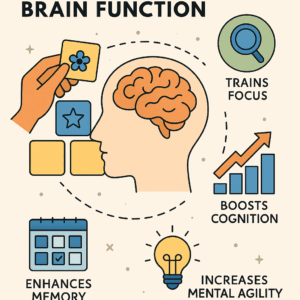
How Memory Games Improve Brain Function
The mechanisms through which memory games enhance brain function are both fascinating and complex. At the core of these improvements is neuroplasticity—the brain’s ability to reorganize itself by forming new neural connections throughout life. When individuals engage in memory games, they challenge their brains to adapt and grow by recalling information, recognizing patterns, and making quick decisions.
This process stimulates various regions of the brain, including those responsible for memory, attention, and problem-solving. Additionally, memory games often require players to employ strategies that enhance cognitive flexibility. For instance, players may need to switch between different tasks or adapt their approaches based on the game’s evolving challenges.
This adaptability is crucial for maintaining cognitive health as it encourages the brain to remain agile and responsive to new information. Research has indicated that regular engagement in such mentally stimulating activities can lead to improved executive functions—skills that are essential for planning, reasoning, and multitasking.
Tips for Choosing the Right Memory Game
Selecting the right memory game can significantly impact the overall experience and benefits derived from it. One important factor to consider is the complexity of the game. For adults who are new to memory games or those who may have cognitive challenges, starting with simpler games can be beneficial.
These might include basic card-matching games or straightforward puzzles that do not overwhelm the player but still provide a stimulating challenge. Another consideration is the format of the game—whether it is physical or digital. Physical games often encourage social interaction, making them ideal for group settings or family gatherings.
On the other hand, digital memory games can offer a wide variety of options and levels of difficulty that can be tailored to individual preferences. Many apps also include progress tracking features that allow players to monitor their improvement over time. Ultimately, choosing a game that aligns with personal interests and cognitive goals will enhance motivation and engagement.
Fun Memory Game Ideas for Adults
There is an abundance of creative memory game ideas that cater specifically to adults looking to challenge their cognitive skills while having fun. One popular option is the classic card-matching game, where players must find pairs of matching cards from a shuffled deck. This game can be easily adapted with themed decks—such as famous landmarks or historical figures—to add an educational twist.
Another engaging idea is to create a personalized memory game using photographs or images that hold significance for the players involved. For instance, family members can compile pictures from past vacations or memorable events and use them in a matching game format. This not only serves as a fun activity but also fosters nostalgia and strengthens social bonds among participants.
For those who prefer digital formats, numerous apps are available that offer various types of memory challenges—from word recall exercises to visual pattern recognition tasks. These apps often incorporate gamification elements such as levels, rewards, and leaderboards, making them highly engaging and motivating for users.
One person may be more attracted to memory games with a technology theme, another may be more attracted to games with a nature theme.
How to Incorporate Memory Games into Daily Routine
Integrating memory games into daily routines can be both enjoyable and beneficial for cognitive health. One effective approach is to set aside specific times during the week dedicated solely to playing memory games. This could be as simple as a 15-minute session during lunch breaks or an evening ritual before winding down for the day.
By establishing a routine, individuals are more likely to commit to regular practice, which is essential for reaping the cognitive benefits. Additionally, incorporating memory games into social gatherings can enhance both enjoyment and engagement. Hosting game nights with friends or family members allows participants to challenge each other while fostering camaraderie.
This social aspect not only makes the experience more enjoyable but also encourages consistent participation as individuals look forward to these shared activities. For those who prefer solo activities, integrating memory games into daily commutes or downtime can be effective as well. Many mobile apps allow users to play on-the-go, making it easy to fit short sessions into busy schedules without requiring significant time commitments.
Tracking Progress and Measuring Improvement
Monitoring progress in memory games is crucial for understanding personal growth and maintaining motivation. Many digital memory game applications come equipped with built-in tracking features that allow users to see their performance over time. These metrics often include scores, completion times, and levels achieved, providing tangible evidence of improvement.
For those who prefer traditional methods, keeping a journal dedicated to memory game activities can be beneficial. Players can record their experiences after each session—note what types of games were played, how they felt about their performance, and any strategies they employed. Over time, this journal will serve as a valuable resource for reflecting on progress and identifying areas for further development.
Additionally, participating in group challenges or competitions can provide external benchmarks for improvement. Engaging with others who are also focused on enhancing their cognitive skills creates a supportive environment where individuals can share tips and celebrate achievements together.
Making Memory Games a Regular Habit
Incorporating memory games into one’s lifestyle offers numerous cognitive benefits while providing an enjoyable way to engage with others or spend time alone. By understanding the advantages these games offer and implementing strategies for regular play, adults can significantly enhance their mental acuity and overall well-being. Whether through traditional card games or innovative digital applications, the key lies in consistency and enjoyment—making memory games not just an occasional activity but a regular habit that contributes positively to cognitive health over time.
With the many different games here on bouncing-memory.com it never gets boring